20 Modern undercut bob haircut ideas for stylish women
The undercut bob is a modern haircut that combines a structured bob shape with closely cropped sections underneath, usually at the nape or sides. It creates a clean contrast between longer top layers and shorter hidden areas, allowing the hair to sit lighter while still keeping a defined outline. In this article, we explore 20 undercut bob variations that show how this cut can be adapted for different hair textures, face shapes, and personal styling needs.
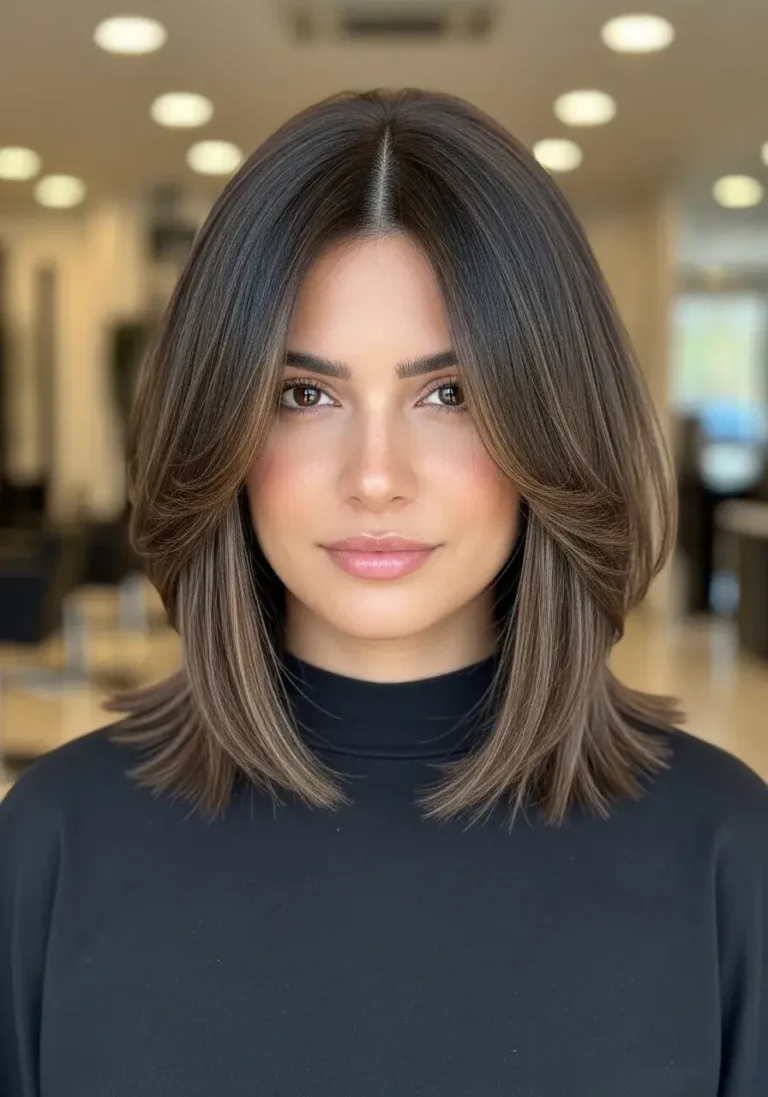
1. Soft Nape Undercut Bob

This version keeps the undercut limited to the nape area, where the hair is cut shorter underneath, while the top layers fall smoothly over it. The surface maintains a classic bob silhouette, but the hidden reduction at the back removes bulk and allows the hair to sit closer to the neck. The result is a balanced shape that feels structured without appearing too sharp or disconnected.
This style works well for people with thick hair who want a cleaner neckline without losing length. It reduces heaviness and helps the bob maintain its shape throughout the day. Maintenance is relatively simple, requiring only occasional trimming of the undercut area while the top layers grow naturally.
2. Side Undercut Bob with Clean Lines

In this variation, one or both sides are softly undercut while the top layers fall diagonally across the head. The contrast creates a subtle asymmetry, where one side appears fuller and the other slightly reduced. The bob’s structure remains visible, but the internal weight distribution is lighter and more controlled.
This look suits straight and slightly wavy hair because the lines stay visible and defined. It is also helpful for reducing bulk around the ears, making the overall silhouette more refined. Styling is straightforward, often requiring just a smooth blow-dry to keep the shape aligned.
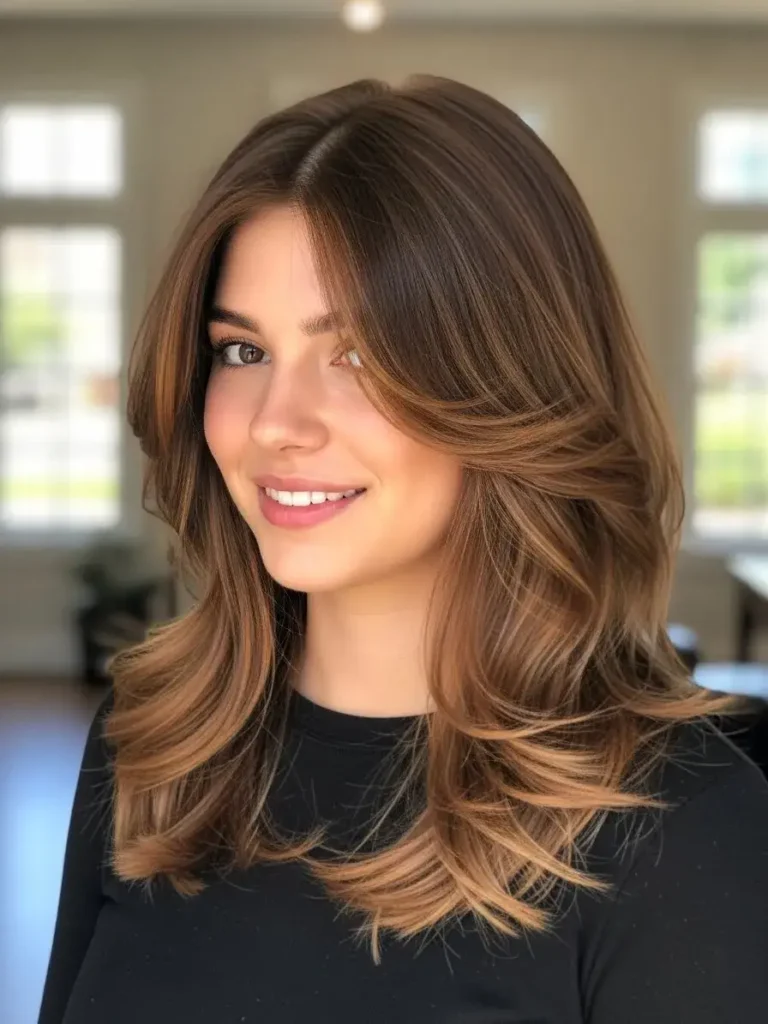
3. Layered Undercut Bob with Volume Crown

Here, the undercut is paired with layered sections on top to create a lifted crown effect. The shorter sections underneath remove weight, allowing the upper layers to rise naturally. The shape feels airy but still holds a clear bob outline that frames the jaw and neck.
This haircut is suitable for medium to thick hair types that need structure without heaviness. The layering helps create movement while the undercut prevents the shape from collapsing. It is easy to maintain and works well with light styling products that enhance natural volume.
4. Textured Undercut Bob with Loose Ends

This version focuses on a slightly uneven texture at the ends, where the bob is cut with soft, irregular movement. The undercut removes internal density, allowing the textured layers to fall more freely. The overall shape feels relaxed but still structured around the base.
It suits naturally wavy hair or those who prefer a less rigid haircut. The reduced bulk makes styling easier, especially when air-dried. It also gives a natural, lived-in appearance without requiring frequent heat styling.
5. Chin-Length Undercut Bob

This variation keeps the bob cut at chin level, with a discreet undercut hidden underneath. The top layer maintains a smooth curve around the face, while the lower section is trimmed shorter for weight control. This helps the hair sit neatly without puffing out at the sides.
It is ideal for those who want a short, defined bob without excessive volume. The shape frames the jawline cleanly and works well for straight or lightly textured hair. Maintenance involves regular trimming to keep the chin line sharp and consistent.
6. Asymmetrical Undercut Bob

In this design, one side of the bob is slightly longer than the other, combined with an undercut that reduces internal weight. The asymmetry creates a directional flow, making the haircut appear dynamic without being overly dramatic. The undercut ensures the longer side does not feel too heavy.
This style suits individuals who want a subtle edge without extreme contrast. It works especially well for straight hair where the length difference is clearly visible. Styling typically involves smoothing the longer side to maintain balance and flow.
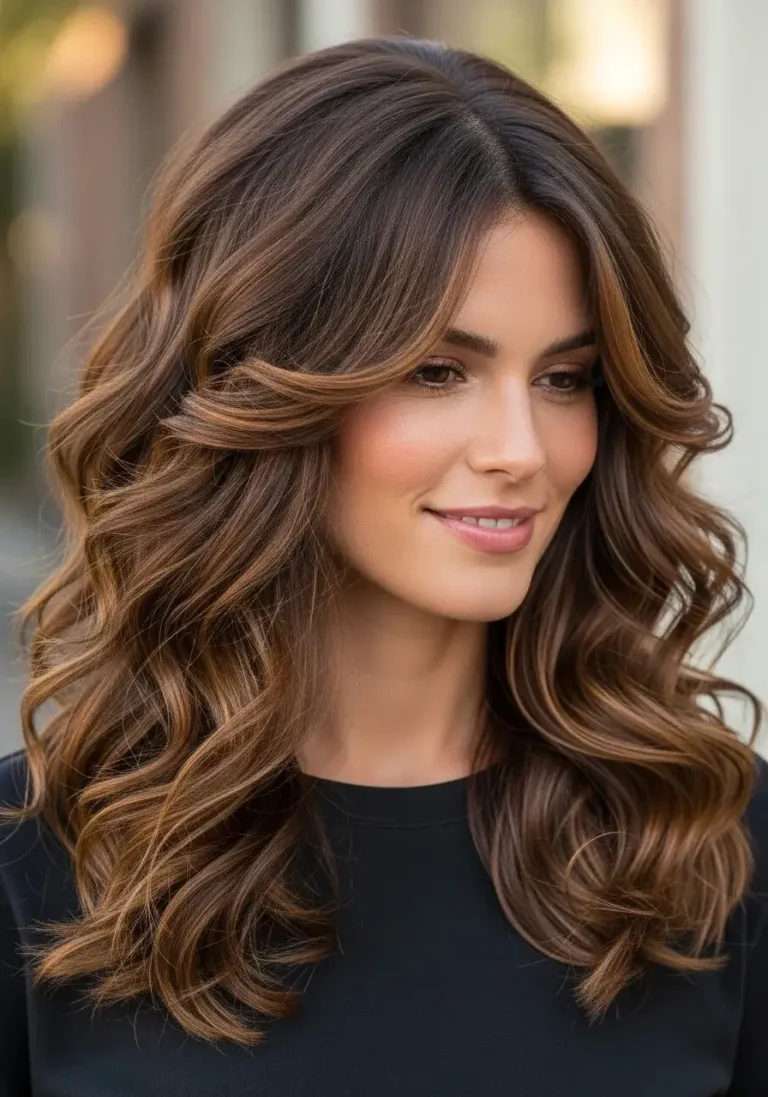
7. Wavy Undercut Bob with Natural Movement

This version embraces soft waves across the top layers while the undercut reduces thickness underneath. The waves sit more freely because there is less weight pulling them down. The result is a natural, flowing shape that still keeps the bob structure intact.
It is well-suited for naturally wavy or slightly curly hair types. The cut allows texture to form without becoming bulky or uneven. It requires minimal styling, often just a light mousse or sea-salt spray to enhance movement.
8. Blunt Undercut Bob

A blunt edge defines this bob, with the ends cut straight across for a solid outline. Beneath the surface, the undercut removes excess weight, allowing the blunt line to stay sharp and controlled. The contrast between structure and internal lightness is what defines this style.
It is ideal for those who prefer a precise, geometric appearance. The undercut helps maintain the sharpness of the cut over time by preventing unwanted expansion. Regular trims keep the blunt line consistent and well-shaped.
9. Graduated Undercut Bob

This style features stacked layers at the back, gradually increasing in length toward the front. The undercut reduces density in the lower sections, allowing the graduation to appear more defined. The shape creates a smooth curve that follows the head naturally.
It suits those who want a structured bob with visible shaping from every angle. The graduated structure adds dimension without requiring heavy styling. It also helps fine hair appear fuller at the crown.
10. Messy Undercut Bob with Soft Disconnection

In this version, the top layers are cut loosely to allow a slightly undone appearance. The undercut creates separation between the internal structure and outer texture, giving the style a soft disconnection. The result is a relaxed bob that still retains shape.
This haircut works well for low-maintenance styling routines. It enhances natural texture and allows hair to fall into place without precision styling. It is especially useful for people who prefer effortless daily upkeep.
11. Curved Undercut Bob with Rounded Shape

This style follows a rounded silhouette, where the hair curves gently around the head. The undercut removes weight at the base, helping the rounded form stay smooth and controlled. The shape feels soft but still structured.
It is suitable for medium-density hair that needs shaping support. The curved structure frames the face gently without sharp edges. Regular shaping ensures the round form remains consistent over time.
12. Straight Edge Undercut Bob

This variation focuses on clean, straight lines from root to tip. The undercut keeps the internal structure light, allowing the straight edge to remain crisp. The overall look is minimal and controlled, with no excessive layering.
It is ideal for those who prefer a polished and professional appearance. The haircut holds its shape well and requires minimal daily styling. A simple flat blow-dry is often enough to maintain the finish.
13. Feathered Undercut Bob

Here, the ends are softened with feather-like cutting techniques that create light movement. The undercut supports this by reducing internal density, making the feathered edges more visible. The result is a soft, flowing silhouette.
This style works well for fine to medium hair textures. It adds gentle movement without making the hair appear thin. It is easy to maintain and grows out in a natural, blended way.
14. Cropped Undercut Bob with Compact Shape

This is a shorter bob variation where the length sits above the jawline. The undercut plays a stronger role here, removing significant weight and creating a compact structure. The shape appears neat and controlled from all angles.
It is suitable for those who prefer short hair with minimal maintenance. The compact structure keeps the haircut from expanding outward. Regular trimming is needed to maintain its precise shape.
15. Airy Undercut Bob with Lifted Roots

This style emphasizes lift at the roots, supported by the weight reduction from the undercut. The top layers rise slightly, creating an airy feel without losing the bob outline. The movement is soft and natural.
It works well for fine or flat hair that needs volume at the crown. The undercut prevents heaviness from pulling the shape down. Light styling products help maintain the lifted effect.
16. Angular Undercut Bob

This version features sharp angles, particularly around the jawline and front sections. The undercut supports the angular structure by reducing internal bulk, allowing the edges to remain defined. The silhouette feels directional and precise.
It suits those who prefer strong facial framing. The angular cut highlights bone structure while keeping the back neat. Maintenance focuses on keeping the front angles sharp.
17. Tousled Undercut Bob

This style is built around a loose, tousled texture that moves naturally. The undercut removes weight underneath, allowing the surface layers to shift freely. The result is a soft, slightly undone appearance.
It is ideal for casual styling routines and works well with natural waves. The haircut does not require precise finishing, making it easy to manage. It grows out smoothly without losing shape quickly.
18. Sleek Undercut Bob

This variation is styled smooth and close to the head, emphasizing clean lines and controlled shine. The undercut ensures the hair remains lightweight, helping the sleek surface stay flat and even. The silhouette is refined and minimal.
It suits straight hair types best, especially those that respond well to heat styling. Regular smoothing treatments or blow-drying help maintain the polished look. The structure remains stable even with daily wear.
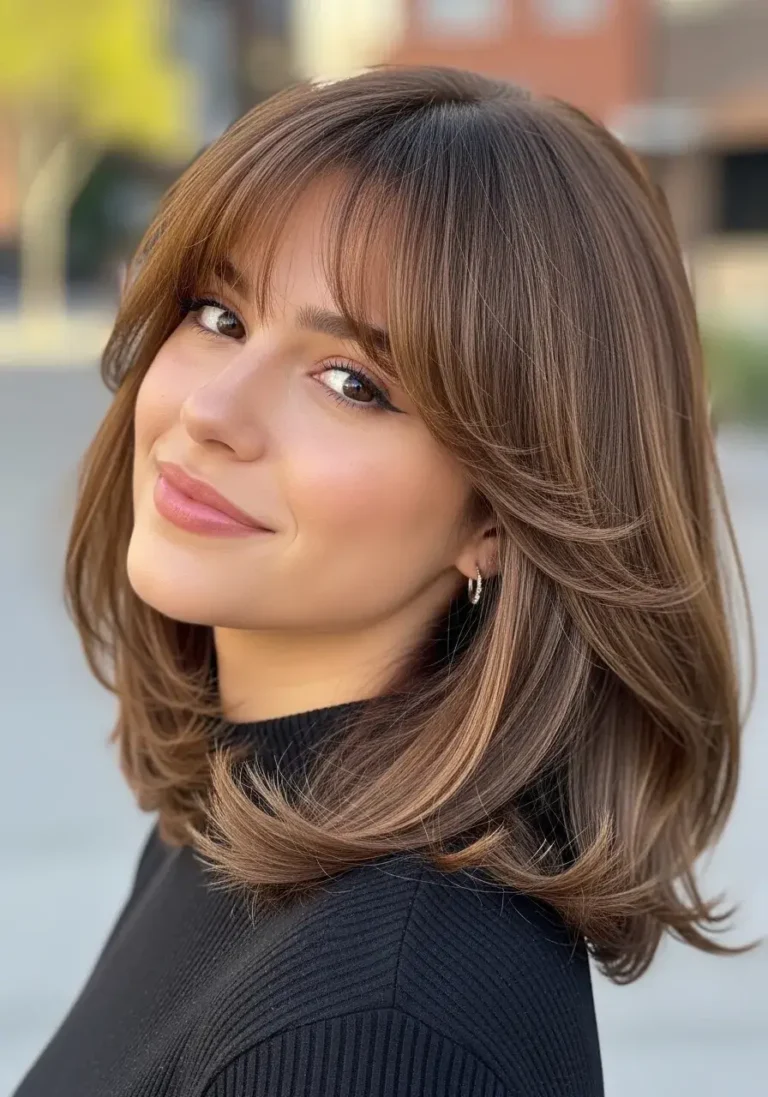
19. Soft Fringe Undercut Bob

A light fringe is added to frame the forehead, blending into the bob’s main structure. The undercut reduces bulk at the back and sides, allowing the fringe to fall more naturally. The balance between front softness and rear structure defines this style.
It works well for those who want gentle face framing. The fringe adds softness while the undercut keeps the overall shape controlled. Maintenance includes occasional fringe trimming.
20. Modern Balanced Undercut Bob

This final variation brings together balanced proportions with subtle undercutting throughout the lower sections. The top remains smooth and consistent, while the internal structure is lightened for comfort and movement. The result is a stable and adaptable haircut.
It suits a wide range of hair types and face shapes due to its neutral structure. The style is easy to maintain and grows out evenly. It offers flexibility for both casual and more refined styling approaches.
Conclusion
The undercut bob offers a flexible approach to short and medium-length hair, combining structure with internal lightness. Across different variations, the cut adapts to texture, density, and personal preference while maintaining a clear bob foundation. Its versatility allows it to stay