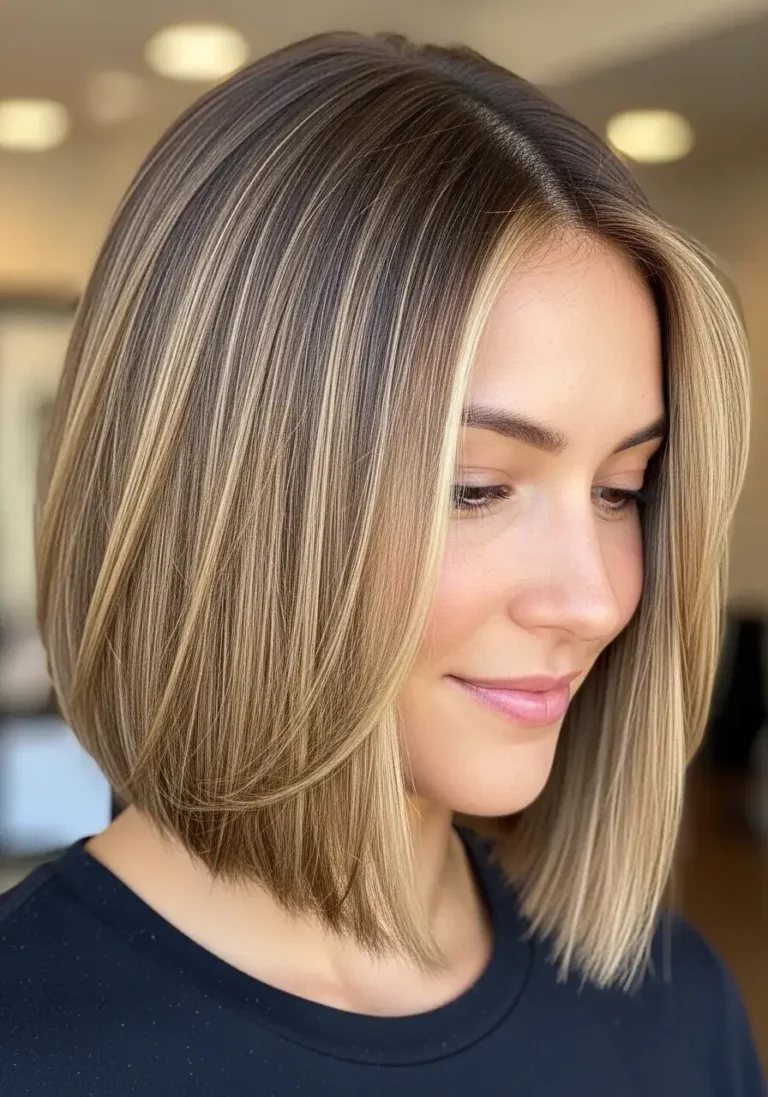
21 Pixie Wolf Cut Short Layered Hair Style for Bold Look
The pixie wolf cut has become a quiet yet noticeable shift in modern short hairstyling, combining soft choppy layers with a naturally uneven texture that sits somewhere between a pixie and a shag-inspired shape. It carries a lightweight feel around the crown while allowing slightly longer, feathered ends that frame the face in a relaxed way. This article explores 21 pixie wolf cut styles, each offering a slightly different structure, movement pattern, and suitability depending on hair type and personal styling preference.
1. Soft Layered Crown Pixie

This version focuses on a softly layered crown that gradually transitions into light, airy ends. The top is cut with subtle elevation, allowing natural lift without creating harsh volume. The sides are kept slightly tapered so the shape remains balanced and close to the head, while the back carries gentle, uneven layers that prevent the silhouette from feeling too uniform or rigid.
This style works well for fine to medium hair because it creates the illusion of density without requiring heavy styling. It is also easy to maintain since the shape grows out in a controlled way. Regular light trimming helps preserve the structure, but daily upkeep is minimal, making it suitable for those who prefer a low-effort short haircut.
2. Feathered Edge Pixie Shag

This variation introduces feathered ends that blend into the crown layers, creating a soft transition from top to bottom. The cut avoids blunt lines, instead relying on gradual shaping that allows the hair to fall naturally. The fringe is lightly textured, often swept slightly to the side to maintain a relaxed flow.
It suits straight or slightly wavy hair, as the feathering enhances movement without needing heat styling. Maintenance is simple, though occasional texturizing helps retain the airy finish. This version is ideal for those who prefer a soft outline rather than a structured short haircut.
3. Choppy Micro Length Cut

This style features very short, choppy layers concentrated around the crown and upper sides. The texture is intentionally uneven, giving the hair a slightly broken-up appearance that adds depth even at a short length. The back is tapered but not overly tight, keeping a natural balance.
It works particularly well for thicker hair, as the choppy cutting removes excess weight. Styling is quick, often requiring just a light matte product. The structure remains flexible as it grows, making it a practical option for those who prefer frequent changes in shape.
4. Tapered Neckline Wolf Pixie

Here, the neckline is softly tapered while the upper layers remain fuller and more textured. This creates a contrast between the neat lower section and the more relaxed top. The layers fall in uneven directions, giving the cut a slightly undone appearance without losing structure.
This haircut suits individuals who want a clean outline at the back but still prefer movement on top. It is relatively easy to maintain since the taper keeps the shape controlled. Regular trims help preserve the balance between the structured neckline and textured crown.
5. Wavy Texture Short Shag Pixie

This version is designed to enhance natural wave patterns. The layers are cut in a way that allows waves to form freely, especially around the mid-lengths and crown. The overall shape feels light, with subtle irregularity that prevents the style from appearing too controlled.
It is especially flattering for naturally wavy or slightly curly hair. Styling can be minimal, often requiring only a light scrunching product. The shape grows out gracefully, maintaining its texture even as it becomes longer over time.
6. Side Swept Fringe Wolf Pixie

A defining feature of this style is the long, side-swept fringe that blends into layered sides. The fringe softens the forehead area while the rest of the cut remains textured and slightly uneven. The back is kept compact to maintain balance with the longer front section.
This cut works well for those who prefer framing around the face. It requires light styling to maintain the direction of the fringe, but it remains manageable. The structure grows out in a flattering way, making it suitable for longer maintenance cycles.
7. Airy Crown Volume Pixie

This version focuses on creating controlled volume at the crown through layered elevation. The top is cut to lift naturally, while the sides remain closer to the head. The ends are lightly textured to avoid heaviness, giving the entire cut a floating appearance.
It suits finer hair types that benefit from added lift. Styling can be achieved with a simple blow-dry or air-dry method. The shape remains flexible and does not require heavy product use, making it suitable for everyday wear.
8. Soft Undercut Inspired Pixie

This style subtly incorporates an undercut-inspired shape beneath longer top layers. The contrast is not extreme but noticeable, with the upper hair falling softly over a slightly shorter base. The texture remains uneven to maintain a natural look.
It is a good option for those who want reduced bulk without a fully shaved undercut. Maintenance involves keeping the lower section neat while allowing the top layers to grow naturally. The style offers both structure and softness in balance.
9. Tousled Fringe Short Cut

This variation emphasizes a lightly tousled fringe that blends into the crown layers. The fringe is not overly structured, allowing it to move freely across the forehead. The rest of the cut supports this motion with irregular layering.
It suits casual styling preferences and works well with minimal effort. A small amount of texturizing product can enhance the tousled effect. The cut maintains its shape even as it grows, making it a flexible everyday option.
10. Minimal Layer Pixie Shape

This style reduces layering to a more subtle level while still maintaining a textured outline. The crown is gently lifted, and the ends are softened to avoid blunt edges. The overall shape is simple but still carries movement.
It is ideal for those who prefer understated short hair. Maintenance is low, and styling can be done quickly. The structure remains stable as it grows, requiring only occasional trimming to retain its outline.
11. Rounded Soft Edge Pixie

The silhouette of this cut follows a rounded shape that softly curves around the head. Layers are blended smoothly to avoid sharp transitions. The back and sides flow into each other in a continuous line with a light texture added.
This version is suitable for those who prefer a more uniform shape. It is easy to maintain and does not require heavy styling. The rounded structure helps keep the hair looking neat, even with natural regrowth.
12. Disconnected Layer Pixie

This cut features intentionally separated layers that do not fully blend, creating visible texture differences. The crown appears slightly lifted while the sides remain more controlled. This contrast gives the haircut a defined but natural look.
It works well for medium to thick hair types. Styling may involve light separation products to enhance the layered effect. Despite its structure, it remains flexible and adapts well to different face shapes.
13. Soft Curtain Fringe Pixie

A curtain-style fringe opens gently around the forehead, blending into soft side layers. The overall structure is light, with minimal heaviness around the front. The back remains compact, balancing the wider fringe area.
This cut suits those who prefer a framing effect without sharp bangs. It is easy to style and grows out gracefully. The fringe can be adjusted naturally depending on the parting direction.
14. Textured Crown Fade Pixie

This version includes a gradual fade at the lower sections while maintaining strong texture at the crown. The transition is smooth, creating a clean yet soft silhouette. The top layers remain uneven to preserve movement.
It is practical for those who prefer a neat neckline with expressive top styling. Maintenance involves keeping the fade clean while allowing the upper layers to move freely. The contrast adds subtle definition without being harsh.
15. Light Razor Cut Pixie

Razor cutting is used here to create softer, more fragmented ends. The texture is lightweight and slightly wispy, giving the hair a naturally undone feel. The crown remains softly elevated to support movement.
This style is ideal for straight or fine hair that benefits from added texture. It requires minimal styling effort and works well with air drying. Regular trims help maintain the delicate structure.
16. Asymmetrical Short Layer Cut

This variation introduces slight asymmetry, with one side appearing marginally longer or more layered than the other. The imbalance is subtle, creating visual interest without dramatic contrast. The back remains stable and controlled.
It suits individuals who prefer a modern but understated variation. Styling is simple, and the asymmetry naturally falls into place over time. It adapts well to both casual and slightly styled looks.
17. Soft Spiky Texture Pixie

This version uses controlled spiking at the crown to add definition without stiffness. The layers are cut short enough to support lift but remain soft enough to avoid sharp points. The sides are kept close for balance.
It works best with light styling products that enhance texture. The look can be adjusted from subtle to slightly more defined, depending on preference. It remains easy to manage on a daily basis.
18. Natural Flow Layer Pixie

This haircut focuses on allowing the hair to fall naturally without forced shaping. Layers are placed to support flow rather than structure. The result is a relaxed silhouette with gentle movement throughout.
It is ideal for those who prefer minimal styling. The cut grows out smoothly and maintains a soft outline over time. It works well across different hair types due to its adaptable structure.
19. Soft Volume Side Lift Pixie

Here, the volume is directed slightly to one side, creating a lifted appearance without heaviness. The layers support this directional flow while maintaining softness at the ends. The opposite side remains closer to the head for balance.
This style is suitable for adding subtle dimension to short hair. It can be styled with light blow-drying or natural drying techniques. The shape remains flexible and adjusts easily over time.
20. Wispy Edge Short Layer Cut

This variation focuses on wispy ends that create a soft outline around the face and neck. The layers are fine and lightly separated, allowing gentle movement without bulk. The crown remains slightly textured for balance.
It suits fine hair especially well, as it avoids heaviness. Maintenance is minimal, and the style remains consistent as it grows. The wispy finish gives it a naturally soft appearance.
21. Balanced Classic Wolf Pixie

This final style brings together moderate layering, soft texture, and a balanced silhouette. The crown has a gentle lift, while the sides and back are evenly blended. The result is a stable shape that is neither too sharp nor too soft.
It is suitable for a wide range of hair types and face shapes. Maintenance is straightforward, requiring occasional shaping to keep proportions intact. This version represents a steady, wearable interpretation of the overall concept.
Conclusion
The pixie wolf cut offers a flexible approach to short hair, where layering and texture can be adjusted to suit different preferences without losing natural movement. From soft, airy shapes to more defined layered versions, each variation in this collection highlights how adaptable the style can be in everyday wear.